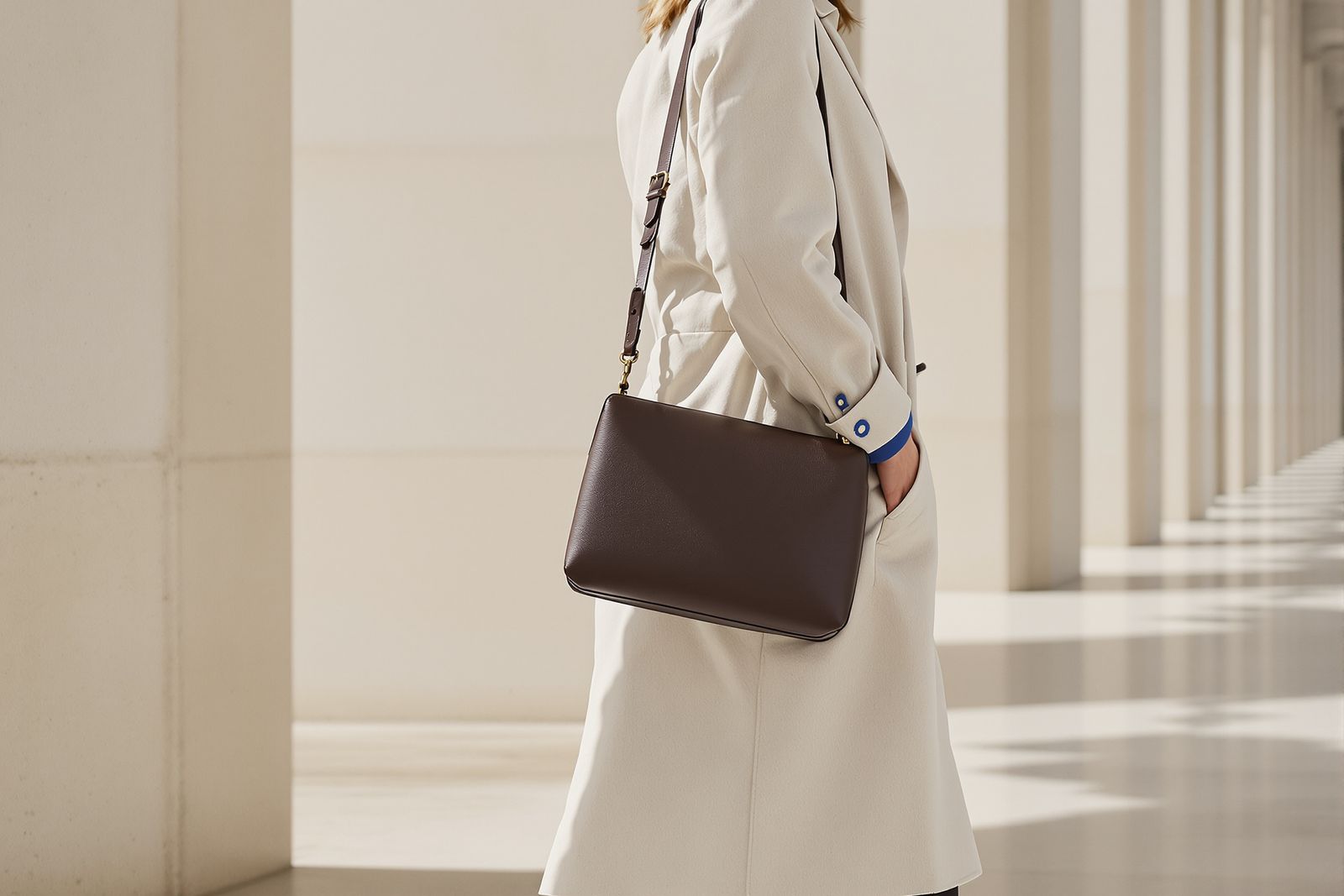
People in the United States search “carry on luggage size” about 90,500 times a month. They search “personal item size” another 14,800 times. Each search is a size question about a bag. A handbag, tote, backpack or suitcase sells when the shopper can see that it fits a laptop, fits under the seat, and is not smaller than it looked in the photos.
This page is for shops that sell bags. It shows the three size questions bag shoppers ask, the words they type into Google, the airline limits behind those questions, and how to answer them on the product page with a size comparison next to objects the shopper already owns.
Why shoppers hesitate over bag size
Bag shoppers hesitate because a bag has to fit something else: a laptop, an airline’s size limit, or the shopper’s idea of how big it should look. A list of measurements answers none of these on its own, so the shopper stops, guesses, or leaves to check somewhere else.
Will my laptop fit?
Shops that sell bags get the same question every week: will my laptop fit? The answer depends on the laptop’s real width and depth, not its screen size. A 16 inch MacBook Pro is 35.57 by 24.81 centimetres (14.01 by 9.77 inches) closed, according to Apple, and a bag needs a few centimetres more on the inside.
Shoppers type this question with brand names in it, one bag at a time. We collected the exact phrases, and the inside size each laptop needs, in what shoppers type to learn if a laptop fits a handbag. For totes, see tote bag sizes and which laptops fit each one.
Is it a personal item or a carry-on?
A traveller buying a backpack or an underseat bag needs to know if it counts as a personal item, which goes under the seat, or a carry-on, which goes in the overhead bin. The airline decides by size, not by bag type. On budget fares the personal item is often the only free bag, so a few centimetres decide if the shopper pays at the gate.
For the personal item limits of 14 airlines, see if a backpack counts as a personal item, airline by airline.
Will it be smaller than expected?
Many shoppers judge size from the photos, and a product photo has no scale. In a Baymard Institute study (2017), 42 percent of users tried to gauge a product’s size from its images. Baymard found that 28 percent of 60 large ecommerce sites had no image showing a product in scale. Every bag fills the frame, whether it is a clutch or a duffel.
The result is the review that says “smaller than expected”, written about a bag whose measurements were correct all along. Why that happens, and what it costs, is in how to reduce returns in ecommerce.
What bag shoppers type into Google
Bag shoppers search for sizes, limits and fit. The phrases below are monthly searches in the United States from Semrush, measured on 31 August and 2 September 2026. “Cabin bag size” is the United Kingdom wording and its number is from the United Kingdom database.
| What shoppers type | Searches a month |
|---|---|
| carry on luggage size | 90,500 |
| carry on size | 22,200 |
| personal item size | 14,800 |
| cabin bag size (United Kingdom) | 8,100 |
| personal item bag | 4,400 |
| is a backpack a personal item | 2,900 |
| underseat bag size | 480 |
| backpack size guide | 170 |
| how big is a 20l backpack | 140 |
| handbags that can fit a laptop | 140 |
Every phrase in the table is a size question. A shopper typing “personal item bag” is looking for a bag to buy, and the answer they need is if it fits under a seat. Airline websites and large travel publishers own the first page for “carry on luggage size”. Your product page can still answer the same question for the one bag the shopper is looking at.
Carry on size and personal item size in centimetres and inches
The most common carry on size in the United States is 22 by 14 by 9 inches, about 56 by 35 by 23 centimetres, including wheels and handles. Delta and JetBlue both publish that limit. Personal items vary much more from airline to airline.
| Limit | Inches | Centimetres | Who sets it |
|---|---|---|---|
| Carry-on bag | 22 x 14 x 9 in | 56 x 35 x 23 cm | Delta, JetBlue |
| Carry-on bag | 21.7 x 15.7 x 9.1 in* | 55 x 40 x 23 cm | Lufthansa |
| Personal item | 18 x 14 x 8 in | 45 x 35 x 20 cm | American Airlines |
| Personal item | 17 x 13 x 8 in | 43.2 x 33 x 20.3 cm | JetBlue |
| Personal item | 15.7 x 11.8 x 7.9 in* | 40 x 30 x 20 cm | Ryanair |
| Personal item | 15.7 x 11.8 x 5.9 in* | 40 x 30 x 15 cm | Lufthansa |
Limits from each airline’s baggage page, checked in November 2026. Figures marked with an asterisk are converted from centimetres. More airlines are in our personal item table. Airlines change their limits, so a product page should state the bag’s own measurements and name the limits it meets, rather than promise “fits every airline”.
The American Airlines and Lufthansa personal item limits differ by 5 centimetres on every side. A backpack 43 centimetres tall can pass as a personal item on JetBlue and is over the limit on Ryanair. The shopper cannot see that from a list of numbers. A comparison with the airline’s limit, or with a cabin suitcase, shows it at once.
Backpack size guide: what litres mean
A backpack’s litres measure how much it holds, not its shape, and the airline checks shape. A 20 litre backpack holds about as much as a box of 40 by 30 by 17 centimetres (15.7 by 11.8 by 6.7 inches), since 40 × 30 × 17 is 20,400 cubic centimetres. That box fits every personal item limit in the table above except the 15 centimetre deep one.
A 20 litre backpack can also be tall and narrow, or short and deep, and still be 20 litres. “How big is a 20l backpack” is searched 140 times a month because the litre number does not tell the shopper what they will carry on their back. A backpack size guide on your shop should give height, width and depth in both units, and show the backpack next to something the shopper knows.
Show the bag next to objects the shopper owns
A shopper cannot imagine 30 centimetres, but every shopper knows their phone, their passport and their laptop. The objects below are shown at true scale, from a passport to a 15 inch MacBook Air, the size range a handbag or backpack is measured against.
-
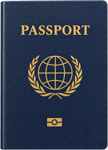 Passport Passport, 8.8 × 12.5 cm
-
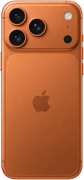 Apple iPhone 17 Pro iPhone 17 Pro
-
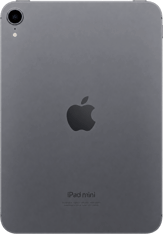 Apple iPad mini iPad mini
-
 ISO 216 A4 sheet of paper A4 sheet, 21.0 × 29.7 cm
-
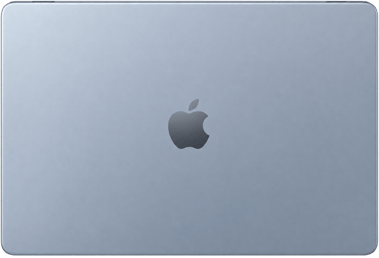 Apple MacBook Air 13-inch 13-inch MacBook Air, 30.4 × 21.5 cm
-
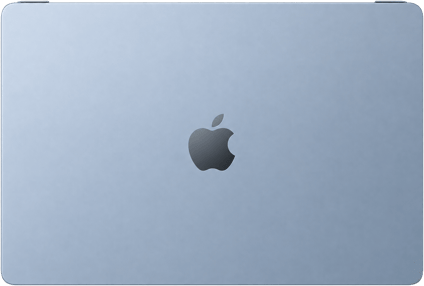 Apple MacBook Air 15-inch 15-inch MacBook Air, 34.0 × 23.8 cm
Pick the object to match the bag. A crossbody bag or a pouch reads best next to a phone and a passport. A tote or a laptop bag reads best next to a laptop. A backpack or a suitcase reads best next to a person and a cabin suitcase.
How to answer bag size questions on the product page
A bag product page answers the size question when the shopper can see it next to the photos, without opening a size guide on another page.
- Give outside and inside measurements. Write both in centimetres and inches. The inside decides if a laptop fits. The outside decides if an airline accepts the bag.
- Name the laptops that fit. “Fits a 13 inch MacBook Air and a 14 inch MacBook Pro” answers more than “fits a 13 inch laptop”, because screen size is not laptop size.
- Name the airline limits it meets. Say “within 18 x 14 x 8 in (45 x 35 x 20 cm), the American Airlines personal item limit” for an underseat bag, and give the carry on size for a cabin bag.
- Show the bag next to familiar objects. A laptop, a phone, a passport, a cabin suitcase or a person, at the same scale as the bag.
- Put it next to the photos. A shopper who has to open a separate tab or page to find the size usually does not open it.
See a bag next to a laptop, a suitcase and a person
Below is a size comparison running live on this page. It shows a flap backpack 28.3 centimetres wide and 43.2 centimetres tall, about 11.1 by 17 inches, next to a 15 inch MacBook Air at the same scale.
At 43.2 centimetres, the backpack is exactly 17 inches tall. The shopper sees in one look how it compares with their laptop, with a cabin suitcase and with their own height, three questions that a line of measurements leaves them to work out.
Samsonite already does this. Tangiblee, a size visualisation company, built Samsonite.com a tool that checks a bag against domestic and international airlines’ carry-on rules and compares it with a human-scale model. In its Samsonite case study, Tangiblee reports 3 times the revenue per visitor for shoppers who used it, and a 2.2 times higher likelihood to convert. Tangiblee wrote in 2022 that static images and product dimensions do not give shoppers an accurate idea of what will fit inside a bag.
Bag size questions
What is the standard carry on luggage size?
In the United States it is usually 22 by 14 by 9 inches, about 56 by 35 by 23 centimetres, including wheels and handles, the limit Delta and JetBlue publish. Lufthansa allows 55 by 40 by 23 centimetres.
How big is a personal item?
It depends on the airline. A personal item goes under the seat, within 18 by 14 by 8 inches (45 by 35 by 20 centimetres) at American Airlines and 40 by 30 by 15 centimetres (15.7 by 11.8 by 5.9 inches) at Lufthansa.
How big is a 20l backpack?
About as much as a box of 40 by 30 by 17 centimetres, or 15.7 by 11.8 by 6.7 inches. The real shape depends on the backpack.
How do I show bag size on a product page?
Give the outside and inside measurements in centimetres and inches, name the laptops that fit and the airline limits the bag meets, and show the bag next to familiar objects at the same scale, next to the product photos. EasySizes is a size comparison for online shops that puts your bag next to a laptop, a phone, a passport, a cabin suitcase or a person.