Every month, people in the United States type “handbags that can fit a laptop” into Google about 140 times. Hundreds more ask the same thing with a brand name in it: does the medium Longchamp fit a laptop, can the medium Marc Jacobs tote fit a laptop, can a Birkin 35 fit a laptop. The product page is where that answer belongs.
This post lists the exact words, shows how much room each common laptop really needs inside a bag, and gives the six lines a handbag product page needs so the shopper gets the answer before leaving for Google.
Handbags that can fit a laptop: what shoppers type into Google
Shoppers ask the laptop question in two ways. Some search for a type of bag that fits a laptop. Others name one specific bag and ask if their laptop fits in it. The second group already wants that bag, and the laptop is the last thing stopping them from buying it.
The numbers below are monthly searches in the United States, from Semrush, measured between 30 August and 14 September 2026.
| What shoppers type | Searches a month |
|---|---|
| fashion bag that a laptop kan fit (misspelled, as typed) | 480 |
| handbags that can fit a laptop | 140 |
| handbags that fit a laptop | 90 |
| laptop bag size | 70 |
| how big is a 16 inch laptop | 50 |
| bags that can fit a 16 inch laptop | 40 |
| does the medium longchamp bag fit a laptop | 20 |
| can the medium marc jacobs tote bag fit a laptop | 20 |
| can the small marc jacobs tote bag fit a laptop | 20 |
| shoulder bag that fits 13 inch laptop | 20 |
| leather shoulder bag fits laptop | 20 |
| designer tote bags that fit laptops | 20 |
The brand-named questions form a long tail of about forty phrases. Each one gets 10 to 40 searches a month, and Semrush scores their difficulty at 0, which means almost no page competes for them. Next to Marc Jacobs and Longchamp, they name Polène (can polene cyme fit a laptop), Coach (does coach brooklyn 28 fit a laptop), Hermès (can a birkin 35 fit a laptop) and Fjällräven (can a kanken fit a 15 inch laptop).
The general question “does my laptop fit in this bag” has no measured search volume at all. Shoppers don’t ask in general. They ask about one bag they have already picked out.
Shops that sell bags hear the same question directly: will my MacBook fit? Many more shoppers type it into Google instead, where the shop cannot reply. We describe the other products shoppers check in how big is this.
Why “fits a laptop” in the description does not answer the question
Most handbag pages already answer the question in some form. One line in the description says “fits a 13-inch laptop”, or the bag’s outside dimensions sit in a specifications tab. Neither settles it, for three reasons.
- “13-inch” is a screen size. It measures the screen from corner to corner, not the laptop. Two 16-inch laptops in the table below differ by almost 3 centimetres in depth.
- Outside dimensions include the bag itself. Seams, lining, padding and a tapered shape all take room from the inside. A bag 38 centimetres wide on the outside can be 35 centimetres wide where the laptop sits.
- Litres don’t tell you shape. A 14 litre bag can be tall and narrow or short and wide, and a laptop only fits one of them.
The same gap between the printed numbers and the usable inside shows up on the r/ManyBaggers forum. A buyer wrote of a new backpack that “the interior is smaller than I had expected”, because the water bottle pocket took up part of the inside. The buyer also doubted that the smaller model was really the 14 litres it was sold as, and ordered it to compare the two bags before the return period on the first one ended. It was a backpack, not a handbag, but the problem is the same.
Laptop sizes and the bag interior each one needs
A laptop fits a bag when the bag’s inside is longer than the laptop’s width and taller than its depth, with room for a hand. Bag maker Knomo advises a compartment a bit bigger than the device and a few centimetres of extra height so the laptop does not stick out. The table adds 2.5 centimetres, about 1 inch, to the laptop’s width and another 2.5 centimetres to its depth, then rounds up to the next half centimetre.
Laptop measurements are the closed laptop’s width and depth, from each manufacturer’s specification page.
| Laptop | Screen | Laptop width × depth | Bag interior it needs (width × height) |
|---|---|---|---|
| Dell XPS 13 (9350) | 13.4 in | 29.5 × 19.9 cm (11.62 × 7.84 in) | 32 × 22.5 cm (12.6 × 8.9 in) |
| MacBook Air 13-inch | 13 in | 30.4 × 21.5 cm (11.97 × 8.46 in) | 33 × 24 cm (13.0 × 9.4 in) |
| Lenovo ThinkPad X1 Carbon Gen 13 | 14 in | 31.3 × 21.5 cm (12.31 × 8.45 in) | 34 × 24 cm (13.4 × 9.4 in) |
| MacBook Pro 14-inch | 14 in | 31.3 × 22.1 cm (12.31 × 8.71 in) | 34 × 25 cm (13.4 × 9.8 in) |
| MacBook Air 15-inch | 15 in | 34.0 × 23.8 cm (13.40 × 9.35 in) | 36.5 × 26.5 cm (14.4 × 10.4 in) |
| Dell 15 (DC15250) | 15.6 in | 35.9 × 23.6 cm (14.11 × 9.28 in) | 38.5 × 26.5 cm (15.2 × 10.4 in) |
| MacBook Pro 16-inch | 16 in | 35.6 × 24.8 cm (14.01 × 9.77 in) | 38.5 × 27.5 cm (15.2 × 10.8 in) |
| Lenovo Legion Pro 7i Gen 10, 16-inch | 16 in | 36.4 × 27.6 cm (14.35 × 10.86 in) | 39 × 30.5 cm (15.4 × 12.0 in) |
The screen size predicts the laptop’s size only roughly. The 15.6-inch Dell is wider than the 16-inch MacBook Pro. The two 16-inch laptops are almost the same width, but the gaming laptop is 2.8 centimetres deeper, which decides whether it fits a handbag with a zip top.
Thickness rarely decides it. The laptops above are between 1.1 centimetres thick (MacBook Air) and 2.7 centimetres (the 16-inch gaming laptop), so width and depth are the numbers to check.
Bags that can fit a 16 inch laptop: the inside size you need
A bag fits a 16-inch laptop when its inside is at least 38.5 by 27.5 centimetres, about 15 by 11 inches, for a 16-inch MacBook Pro. A 16-inch gaming laptop needs 39 by 30.5 centimetres. That is the inside of a large tote or a work bag, so a bag sold for a 16-inch laptop should say so by name.
A 16-inch laptop is about 36 centimetres wide and 25 to 28 deep, which is 14 inches wide and 10 to 11 inches deep. The 16-inch MacBook Pro measures 35.6 by 24.8 centimetres, and the Lenovo Legion Pro 7i gaming laptop is deeper at 36.4 by 27.6. For the closed sizes of more MacBooks and how they fit tote bags, see How big is a tote bag?
Below are six laptops from the table at the same scale, from a 13-inch to a 16-inch gaming laptop. Scroll sideways to see them all.
-
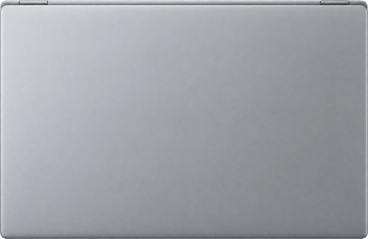 Dell XPS 13 9350 OLED 13-inch, 29.5 × 19.9 cm
-
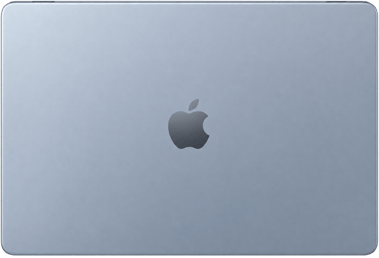 Apple MacBook Air 13-inch 13-inch, 30.4 × 21.5 cm
-
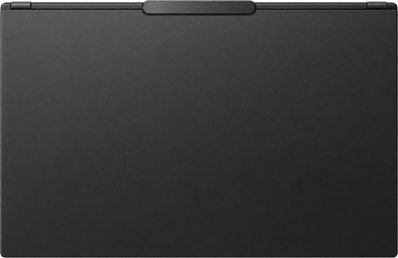 Lenovo ThinkPad X1 Carbon Gen 13 14-inch, 31.3 × 21.5 cm
-
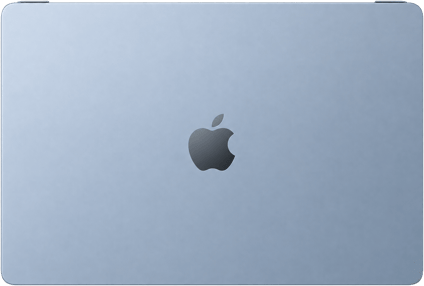 Apple MacBook Air 15-inch 15-inch, 34.0 × 23.8 cm
-
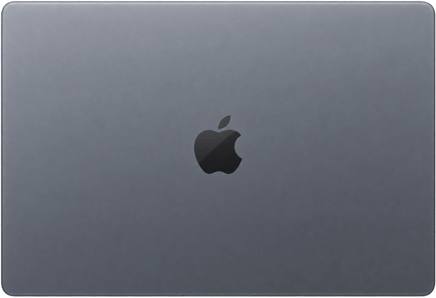 Apple MacBook Pro 16-inch 16-inch, 35.6 × 24.8 cm
-
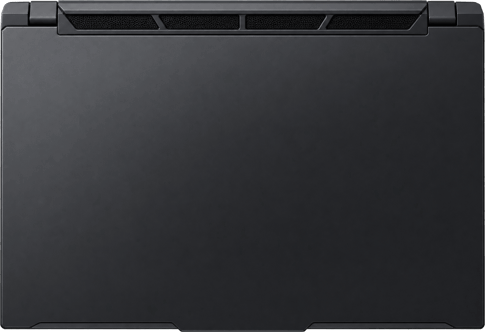 Lenovo Legion Pro 7i Gen 10 16IAX10H 16-inch gaming, 36.4 × 27.6 cm
How to write a handbag product page that answers the laptop question
A product page answers the laptop question when it gives the inside measurements and names the laptops that fit. Put the answer near the price and the photos, where the shopper is already looking, not in a size guide on another page.
- Measure the inside, not the outside. Lay a ruler inside the bag where a laptop would rest, usually along the base. Measure the width at the narrowest point and the height from the base to where the closure starts.
- Publish both sets of numbers. Write “Outside: 38 × 30 × 14 cm. Inside: 35 × 26 cm.” in centimetres and inches. Shoppers compare the inside numbers with their laptop.
- Name laptops, not screen sizes. “Fits a 13-inch laptop” invites the question. “Fits a 13-inch MacBook Air, a 14-inch MacBook Pro or a ThinkPad X1 Carbon” answers it. Use the table above to check each model against your inside measurements.
- Name the laptops that do not fit. “A 15-inch MacBook Air does not fit” saves you a return and earns the shopper’s trust in every other claim on the page.
- Say where the laptop goes. Tell shoppers whether it sits in a padded sleeve, in the main compartment, or only with the zip half open.
- Show it. A photo of the bag with a laptop half inside answers faster than any sentence. Use a laptop size most of your shoppers own, and say in the caption which one it is.
As an example, a shoulder bag with an inside of 35 by 26 centimetres fits the Dell XPS 13, both 13-inch and 14-inch MacBooks and the ThinkPad X1 Carbon, and does not fit the 15-inch MacBook Air, which needs 36.5 centimetres. Two sentences on the page now answer what shoppers are asking Google.
Find the questions about your own bags in five minutes
You can find out what shoppers ask about your own bags without a keyword tool. Google shows you the questions people type as you type, and the questions they ask next.
- Open Google in a private browser window, so your own search history does not change the suggestions.
- Type your brand name and the name of your best-selling bag, then add “fit”. Write down every suggestion Google offers under the search box.
- Search for the full question “does the [your bag] fit a laptop” and read the People also ask box. Click each question once, since Google adds more as you open them.
- Do the same with your bag type and a laptop size, such as “shoulder bag that fits 13 inch laptop”.
- For every question you find, check whether your product page answers it in the first screen. If not, add the inside measurements and the laptop names from the steps above.
If your bag’s name appears in a suggestion, shoppers are asking about your product in a place where you cannot reply. Your product page is the one place where you can give the answer yourself.
See a bag next to a laptop
Inside measurements tell a shopper whether a laptop fits. A picture tells them how big the bag will look on them. Below is that comparison, live on this page: a leather shoulder bag 39 centimetres wide and 48.2 centimetres tall, next to a 13-inch MacBook Air at the same scale.
The widget compares outside sizes, so it shows how much bigger the bag is than the laptop. The inside measurement on your page confirms the fit. With both on the page, a shopper has no reason to go back to Google. More ways to prevent size returns are in how to reduce returns in ecommerce.
EasySizes adds this size comparison to a product page, with laptops, phones, a passport and other everyday objects next to your bag.
Laptop and handbag size questions
What size handbag fits a 13 inch laptop?
A handbag fits a 13-inch laptop when its inside is at least 33 by 24 centimetres, about 13 by 9.5 inches. That is enough for a 13-inch MacBook Air at 30.4 by 21.5 centimetres. A Dell XPS 13 is smaller and needs 32 by 22.5 centimetres.
Can a 16 inch laptop fit in a handbag?
Only in a large one. A 16-inch MacBook Pro needs an inside of at least 38.5 by 27.5 centimetres, about 15 by 11 inches, and a 16-inch gaming laptop needs 39 by 30.5 centimetres. That is the size of a large tote or a work bag.
What size bag fits a 15 inch laptop?
A 15-inch laptop needs a bag interior of at least 36.5 to 38.5 centimetres wide and 26.5 centimetres tall, about 14.5 to 15 by 10.5 inches. The 15-inch MacBook Air is 34 by 23.8 centimetres, and a typical 15.6-inch Windows laptop such as the Dell 15 is wider, at 35.9 centimetres.
Should a laptop fit snug in a bag?
A laptop should fit closely enough that it cannot slide around, with about 2.5 centimetres, or 1 inch, of spare length and height so it goes in and out easily. In a handbag without a padded sleeve, put the laptop in a sleeve first and measure the laptop in its sleeve.
How tall should a bag be to fit a laptop?
A bag’s inside should be at least 2.5 centimetres, or 1 inch, taller than the laptop’s depth. That means about 24 centimetres for a 13-inch MacBook Air, 25 for a 14-inch MacBook Pro and 27.5 for a 16-inch MacBook Pro. The size in a laptop’s name is the screen diagonal, so always use the laptop’s own measurements.